
Borrower Self-Service Portal: Features & Benefits
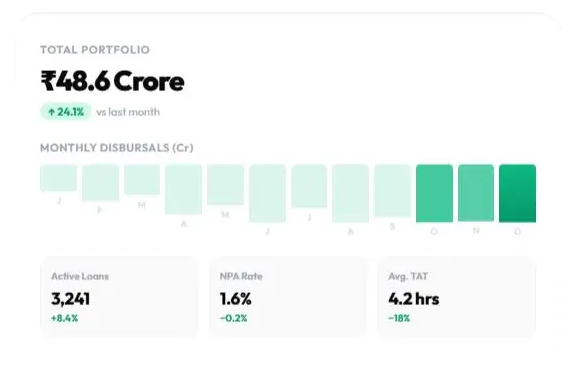
Today's borrowers expect financial services to be as convenient and accessible as online shopping or digital banking. Whether applying for a new loan, checking EMI schedules, uploading documents, or downloading account statements, customers prefer completing these tasks independently without visiting a branch or waiting for customer support. A Borrower Self-Service Portal addresses these expectations by providing a secure, always-available digital platform that empowers borrowers to manage their loan accounts with ease.
A modern self-service portal integrates directly with Loan Management Systems (LMS) and Loan Origination Systems (LOS), providing borrowers with real-time visibility into every stage of the lending lifecycle. From application submission and document verification to repayments, loan servicing, and customer support, the portal centralizes interactions into a single intuitive interface. This not only enhances customer satisfaction but also reduces administrative workloads and operational costs for financial institutions.
For banks, NBFCs, Housing Finance Companies (HFCs), microfinance institutions, and fintech lenders, implementing a Borrower Self-Service Portal has become a key component of digital transformation strategies. This guide explores the essential features, business benefits, and best practices for deploying a future-ready borrower portal.
Why Financial Institutions Need a Borrower Self-Service Portal
Modern borrowers expect fast, transparent, and digital-first experiences throughout the lending journey.
A self-service portal helps financial institutions:
- Improve customer satisfaction
- Reduce branch visits
- Minimize customer support workload
- Accelerate loan servicing
- Improve borrower engagement
- Enable secure digital transactions
- Strengthen operational efficiency
- Support digital transformation
A self-service platform empowers borrowers while allowing lenders to focus on higher-value activities.
1. Online Loan Applications
Borrowers should be able to apply for loans anytime through a simple and intuitive digital interface.
The portal should support:
- Online application forms
- Loan product selection
- Eligibility checks
- Digital KYC
- Document uploads
- Application saving
- Electronic signatures
- Submission tracking
Digital loan applications reduce paperwork while accelerating approvals.
2. Real-Time Application Tracking
Transparency is essential for building borrower confidence.
The portal should display:
- Application received
- Document verification
- Credit assessment
- Approval progress
- Disbursement status
- Pending actions
- Expected timelines
- Real-time notifications
Application tracking significantly reduces customer inquiries while improving user experience.
3. Secure Document Management
Borrowers should have a secure place to upload and access all loan-related documents.
Essential capabilities include:
- Identity document uploads
- Income proof submission
- Property document management
- OCR verification
- Secure cloud storage
- Version history
- Download functionality
- Digital signatures
Centralized document management simplifies onboarding while improving compliance.
4. EMI and Repayment Management
Borrowers should have complete visibility into their repayment obligations.
The portal should provide:
- EMI schedules
- Outstanding balances
- Interest details
- Payment history
- Upcoming due dates
- Partial payment options
- Prepayment requests
- Auto-debit status
Self-service repayment management improves convenience while encouraging timely payments.
5. Digital Payment Options
The portal should support multiple secure payment methods for maximum flexibility.
Payment capabilities include:
- UPI
- Net Banking
- Debit Cards
- Credit Cards
- QR Code payments
- Payment links
- Auto-debit enrollment
- Instant payment confirmation
Convenient digital payments improve borrower satisfaction while reducing collection efforts.
6. Loan Statements and Certificates
Customers frequently require access to important loan documents.
The portal should allow borrowers to download:
- Loan statements
- EMI schedules
- Interest certificates
- Outstanding balance certificates
- Loan sanction letters
- Payment receipts
- Account summaries
- Tax-related documents
Self-service document access significantly reduces support requests and improves customer convenience.
7. Service Request Management
Borrowers should be able to submit and track service requests digitally.
Common requests include:
- Contact detail updates
- Address changes
- Loan closure requests
- Prepayment requests
- NOC requests
- Complaint registration
- Query tracking
- Feedback submission
Digital service management improves response times while enhancing customer satisfaction.
8. Notifications and Alerts
Keeping borrowers informed throughout the lending lifecycle improves transparency and engagement.
The portal should support:
- EMI reminders
- Payment confirmations
- Loan approval notifications
- Document requests
- Service request updates
- Security alerts
- Promotional offers
- Account activity notifications
Automated notifications ensure borrowers stay informed and engaged.
Related Articles
Explore more lending technology resources from Intelligrow:
- Loan Management Software – https://www.intelligrow.co/loan-management-software/
- Digital Lending Platform – https://www.intelligrow.co/digital-lending-platform/
- Loan Origination System – https://www.intelligrow.co/loan-origination-system/
- NBFC Software – https://www.intelligrow.co/nbfc-software/
- Banking Software – https://www.intelligrow.co/banking-software/
9. Mobile Borrower Portal Experience
Modern borrowers expect complete control over their loan accounts from their smartphones. A mobile-first Borrower Self-Service Portal allows customers to manage every aspect of their lending journey anytime and anywhere.
Essential mobile capabilities include:
- Loan application submission
- Real-time application tracking
- Secure document uploads
- EMI payment management
- Push notifications
- Loan account overview
- Service request tracking
- Biometric login support
A responsive mobile experience improves customer engagement while increasing portal adoption.
10. Security and User Authentication
A Borrower Self-Service Portal handles confidential financial and personal information, making robust security essential.
The platform should provide:
- Multi-Factor Authentication (MFA)
- OTP verification
- Biometric authentication
- End-to-end encryption
- Secure session management
- Device recognition
- Role-based access control
- Audit trails
- Fraud detection
- Data privacy controls
Strong security measures protect borrower information while ensuring regulatory compliance.
11. Reporting and Customer Analytics
A modern portal generates valuable insights that help financial institutions continuously improve customer experience and operational efficiency.
Key reporting capabilities include:
- Portal usage reports
- Customer login analytics
- Loan application reports
- Document upload statistics
- EMI payment reports
- Service request reports
- Customer engagement metrics
- Notification delivery reports
- Digital adoption reports
- Executive dashboards
Real-time analytics enable lenders to optimize digital services and improve borrower engagement.
12. Cloud-Based Borrower Self-Service Portal
Cloud technology enables financial institutions to deliver highly available, secure, and scalable digital lending services.
Benefits include:
- Faster deployment
- Lower infrastructure costs
- Automatic software updates
- Secure remote access
- High availability
- Disaster recovery
- Business continuity
- Easy scalability
Cloud deployment ensures borrowers have uninterrupted access to loan services while reducing IT management overhead.
13. How to Choose the Right Borrower Self-Service Portal
Selecting the right borrower portal requires evaluating customer experience, integrations, scalability, and long-term business value.
Complete Self-Service Capabilities
Choose a platform that enables borrowers to apply for loans, upload documents, track applications, make repayments, download statements, and manage service requests independently.
Seamless Integration
Ensure the portal integrates with Loan Management Systems (LMS), Loan Origination Systems (LOS), Core Banking Systems, payment gateways, CRM platforms, eKYC providers, and communication services.
User Experience
Look for an intuitive interface with responsive design, multilingual support, accessibility features, and simplified navigation to encourage widespread customer adoption.
Reporting and Analytics
The platform should provide dashboards for monitoring customer activity, portal usage, repayment behavior, service requests, and digital engagement.
Scalability
The solution should support increasing customer volumes, multiple loan products, additional users, and future digital banking capabilities.
Security and Compliance
Verify enterprise-grade security including encryption, multi-factor authentication, audit trails, role-based access controls, and compliance with financial regulations.
Vendor Expertise
Partner with a technology provider experienced in implementing digital lending platforms and borrower engagement solutions for banks, NBFCs, HFCs, MFIs, and fintech companies.
Common Challenges in Borrower Portal Implementation
Financial institutions may face several challenges while implementing self-service platforms.
Common challenges include:
- Integration with legacy systems
- Low digital adoption
- Manual document verification
- Data synchronization issues
- Security and privacy concerns
- Regulatory compliance requirements
- Poor user experience
- Limited customer awareness
Working with an experienced implementation partner helps overcome these challenges while accelerating deployment.
Best Practices for a Successful Borrower Self-Service Portal
Financial institutions can maximize the value of their portal by following these best practices:
- Design an intuitive user interface
- Offer end-to-end digital self-service
- Enable secure digital onboarding
- Automate notifications and reminders
- Integrate multiple digital payment options
- Maintain real-time synchronization with lending systems
- Provide AI-powered chatbot assistance
- Continuously monitor portal performance
- Strengthen cybersecurity measures
- Gather customer feedback for continuous improvement
These practices improve customer satisfaction while reducing operational costs and increasing digital adoption.
Conclusion
A Borrower Self-Service Portal has become an essential component of modern digital lending. Borrowers expect fast, transparent, and convenient access to their loan information without depending on branch visits or customer support teams. Delivering this level of convenience not only improves customer satisfaction but also helps financial institutions reduce operational costs and increase efficiency.
Modern borrower portals enable customers to complete the entire lending journey digitally—from loan applications and document uploads to EMI payments, account management, and service requests. Combined with cloud technology, secure authentication, AI-powered assistance, and seamless integrations, these portals create a highly engaging digital experience while supporting business scalability.
By investing in the right Borrower Self-Service Portal, banks, NBFCs, HFCs, MFIs, and fintech companies can strengthen customer relationships, accelerate digital transformation, and build a future-ready lending ecosystem.
Enhance Borrower Experience with Intelligrow
At Intelligrow, we provide an advanced Borrower Self-Service Portal designed for banks, NBFCs, Housing Finance Companies (HFCs), microfinance institutions, and fintech lenders. Our cloud-enabled portal empowers borrowers to apply for loans, upload documents, track applications, make EMI payments, download statements, and manage service requests through a secure and intuitive digital interface.
With seamless integration into Loan Management Systems, configurable workflows, enterprise-grade security, AI-powered assistance, and real-time analytics, Intelligrow helps financial institutions improve customer satisfaction, reduce operational costs, and accelerate digital lending initiatives.
Ready to deliver a world-class borrower experience? Contact Intelligrow today and discover how our Borrower Self-Service Portal can help your organization modernize customer engagement and drive sustainable digital growth.
FAQ
Frequently asked questions
A Borrower Self-Service Portal is a secure online platform that allows borrowers to apply for loans, upload documents, track application status, make EMI payments, download loan statements, and manage service requests independently.
Related topics


Explore Intelligrow
Related pages you may find useful
Products
Reading borrower-self-service-portal-features-benefits — explore lending platform guides, product pages, and implementation resources across Intelligrow.